Introduction
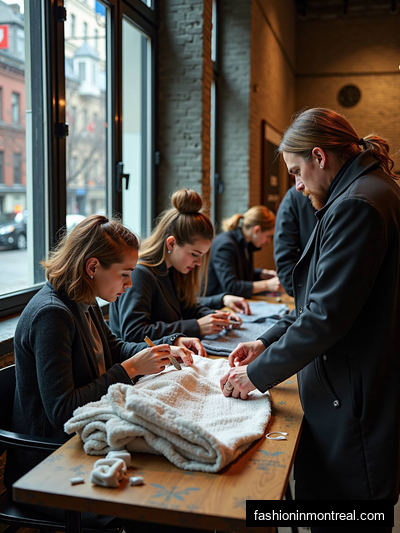
Montreal, a city renowned for its vibrant culture and diverse artistic community, is also home to a remarkable scene of artisan fashion creators. These artisans are not just designers; they are skilled craftsmen and women who pour their passion, creativity, and technical expertise into creating unique, high-quality pieces that stand out in the global fashion industry. This blog post aims to shine a spotlight on the art of craftsmanship within Montreal's artisan fashion scene, exploring the dedication, techniques, and impact of these creators on both local and international scales.
Through the lens of various artisan creators, we will delve into the intricate processes behind their work, the challenges they face in a fast-paced industry, and the innovative solutions they bring to the table. By highlighting specific examples, statistics, and case studies, this post will not only celebrate Montreal's contribution to the artisan fashion world but also provide insights into the benefits and complexities of maintaining traditional craftsmanship in the modern age.
As we delve deeper into Montreal's rich cultural tapestry in this Introduction, it's fascinating to explore how this city's unique blend of French and English influences has shaped its artistic landscape. From the iconic murals adorning Plateau-Mont-Royal to the avant-garde works showcased at the Montreal Museum of Contemporary Art, the city pulsates with creative energy.
The Craftsmanship Philosophy
At the heart of Montreal's artisan fashion scene is a commitment to craftsmanship. This philosophy prioritizes quality over quantity, focusing on the meticulous creation of each piece rather than mass production. Artisans such as Marie-Ève Aubry, a leather goods maker, embody this approach by using traditional techniques passed down through generations to create contemporary designs. Aubry, like many in her field, opts for hand-stitching over machine sewing, arguing that it not only lasts longer but also connects the creator more deeply with their work.
This dedication to craftsmanship extends beyond the mere act of making. It involves sourcing sustainable materials, fostering ethical labor practices, and embedding a piece of local culture into every product. For instance, Émilie Desmeules, a renowned textile artist in Montreal, uses eco-friendly dyes and locally sourced wool to produce her sought-after scarves and wraps. Through these practices, Montreal's artisan fashion creators not only ensure the longevity and uniqueness of their products but also contribute to a more sustainable and ethical fashion industry.
Delving deeper into the craftsmanship philosophy, one can witness the meticulous hand-stitching techniques employed by local artisans, creating bespoke leather goods that exude unparalleled quality and charm. This dedication to detail not only honors tradition but also fosters a sense of authenticity that resonates with discerning customers.
Challenges and Innovations
Despite their passion and dedication, Montreal's artisan fashion creators face significant challenges. The high cost of materials and labor, coupled with the competitive pricing of mass-produced items, puts pressure on artisans to find a balance between quality and affordability. Additionally, the fast pace of fashion trends can make it difficult for time-intensive handmade products to compete in the market. However, many artisans have turned these challenges into opportunities for innovation.
For example, Alexandre Lemay, a local jeweler, has embraced 3D printing technology to prototype his designs more quickly, allowing for rapid iteration while still hand-finishing each piece to ensure the highest quality. Similarly, fashion designer Lysiane Pepin combines traditional sewing techniques with modern laser-cutting technology to create intricate patterns that would be impossible by hand alone. These innovations not only help artisans stay competitive but also push the boundaries of what is possible in artisan fashion.
In response to the challenges faced by artisan fashion creators in Montreal, innovative solutions are emerging. Collaborations with sustainable material suppliers and the integration of cutting-edge technology in design processes are revolutionizing the industry. These forward-thinking approaches not only address obstacles but also pave the way for a more sustainable and competitive future.
The Impact of Artisan Fashion
The impact of Montreal's artisan fashion scene extends far beyond the local economy. By maintaining traditional craftsmanship skills, these artisans preserve cultural heritage and provide a tangible connection to the past. Moreover, the emphasis on sustainability and ethical practices within the artisan community has a ripple effect, encouraging consumers to consider the environmental and social implications of their fashion choices.
Furthermore, Montreal's artisan fashion creators have gained international recognition, showcasing their work on global stages and attracting attention to the city as a hub of innovative and sustainable fashion. This not only boosts Montreal's economy but also inspires a new generation of designers and craftsmen worldwide. The success stories of artisans like Jean-Claude Poitras, who has received international accolades for his work in fashion design, highlight the global potential of local craftsmanship.
The influence of artisan fashion goes beyond economic benefits; it fosters a deeper connection between consumers and the creative process. Handcrafted pieces from local artisans not only showcase unique designs but also promote sustainable practices, emphasizing quality over quantity.
Supporting Local Artisans
Supporting Montreal's artisan fashion creators is crucial for the sustainability of the craft and the promotion of ethical, high-quality fashion. Consumers can play a significant role in this by choosing to invest in handmade pieces over mass-produced items, thereby valuing the time, skill, and creativity that go into each product. Additionally, local and national governments can aid by providing grants and subsidies to help artisans cover the high costs of materials and labor, making it easier for them to compete in the market.
Another effective way to support artisans is through education and awareness. Workshops, exhibitions, and fashion shows dedicated to artisan fashion can help raise awareness about the value of craftsmanship, attracting more customers and encouraging young people to learn traditional skills. Online platforms and social media also offer powerful tools for artisans to showcase their work and tell their stories, reaching a global audience and building a community of supporters.
Exploring local artisan markets not only supports small businesses but also preserves cultural heritage. From handcrafted jewelry to intricately woven textiles, each piece tells a story of tradition and craftsmanship. By investing in these unique creations, we contribute to the vibrancy and diversity of our communities.
Conclusion
Montreal's artisan fashion creators exemplify the beauty and value of craftsmanship in the modern world. Through their dedication to quality, sustainability, and cultural preservation, they enrich the global fashion landscape and inspire a more thoughtful approach to consumption. By facing challenges with innovation and supporting each other in a competitive industry, these artisans not only sustain their craft but also pave the way for future generations.
As consumers, we have a powerful role to play in supporting this vibrant community. By choosing artisan-made fashion, we invest in products that tell a story, carry a piece of history, and represent a commitment to ethical and sustainable practices. Let's cherish and support Montreal's artisan fashion creators, for in doing so, we contribute to a more beautiful, thoughtful, and sustainable world.
In conclusion, Montreal's artisan fashion creators not only showcase exceptional craftsmanship but also embody a commitment to sustainability. By using locally-sourced materials and eco-friendly practices, these designers set a new standard for ethical fashion production in the industry.